
Bachelor’s Degree in Design
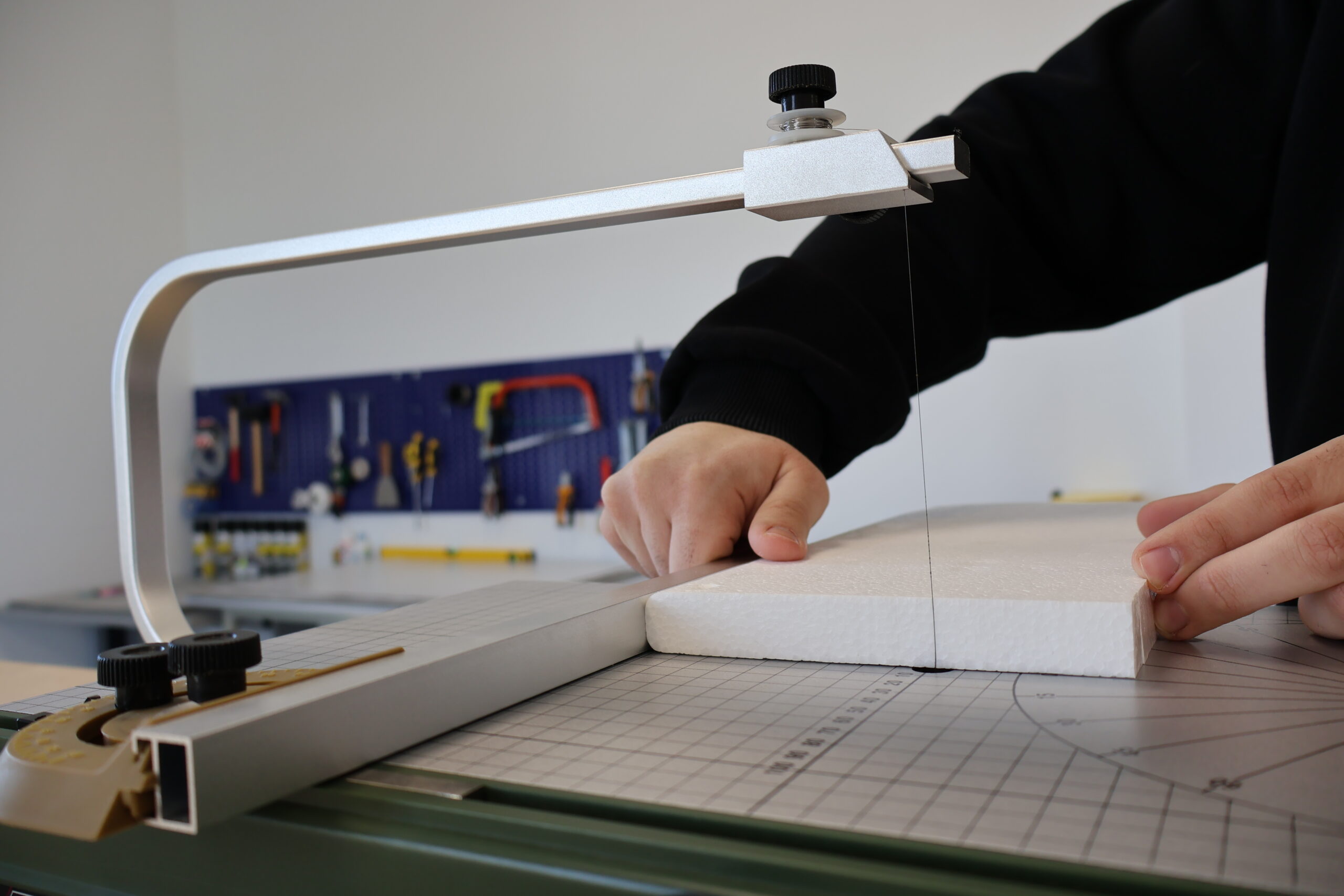
The Bachelor’s Degree in Design offers a multidisciplinary academic path that combines creativity, technical skills and design culture, in step with the evolution of technologies and contemporary professional contexts.
The programme explores eight areas of design: Web, Product, Interior, Graphic, Exhibit, Visual Communication, Urban Design and Creative & New Technologies, giving students a broad preparation and the chance to explore different fields of design.
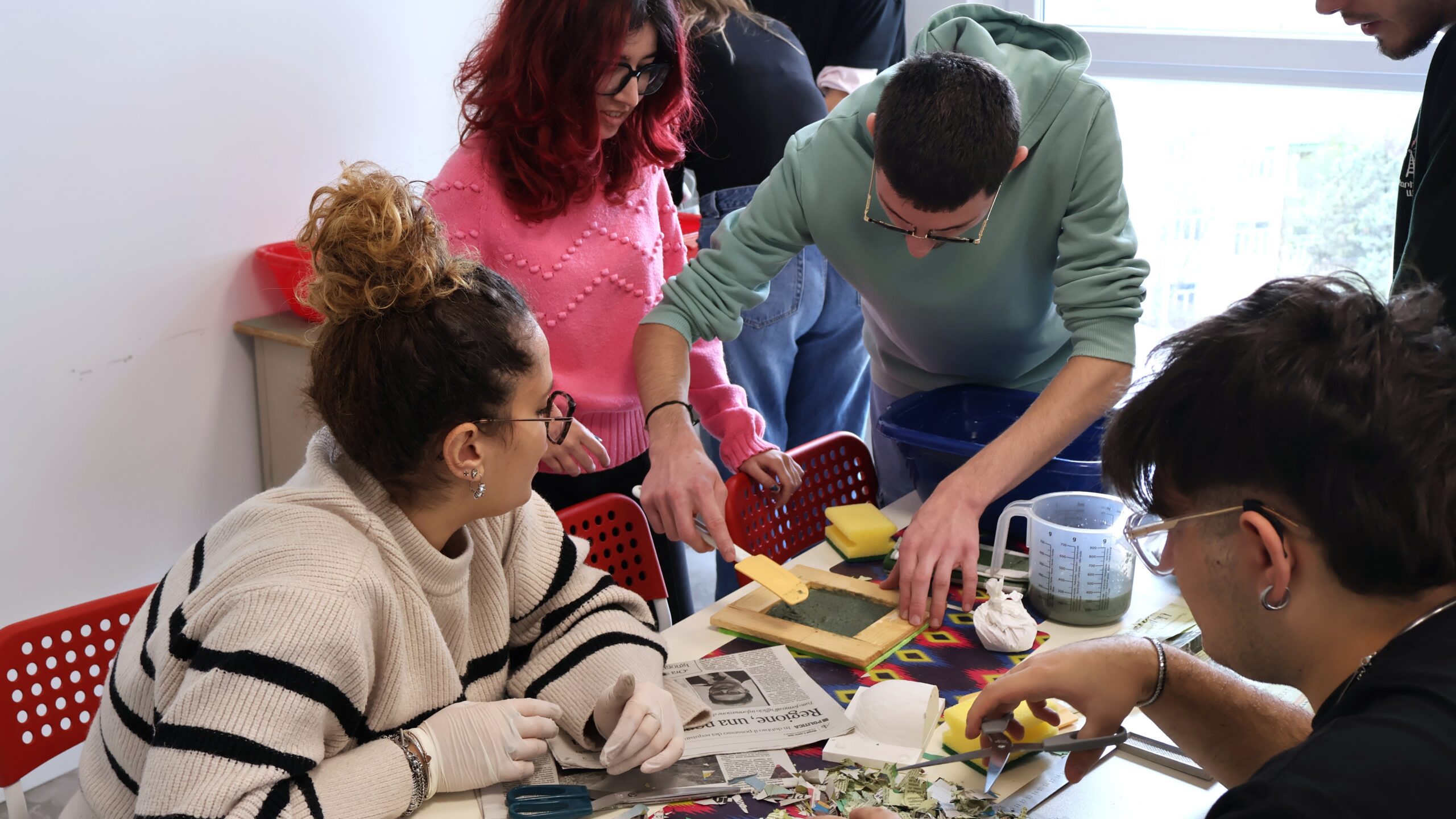
The curriculum combines theoretical knowledge, workshop activities and design experimentation. Students develop skills in designing spaces, products, installations and visual identities, becoming familiar with professional software and industry technologies.
Workshops, research projects, seminars, internships and placements in Italy and abroad encourage dialogue with the world of design and the creative professions. Through a network of national and international partners, the Institute promotes collaborations with academic and professional organisations, offering students opportunities for growth, exchange and experimentation.
The programme aims to develop creative, technical and design skills, together with critical thinking and the ability to interpret needs and contexts, preparing students to face the challenges of contemporary design.
 Web Design
 Product Design
 Interior Design
 Graphic Design
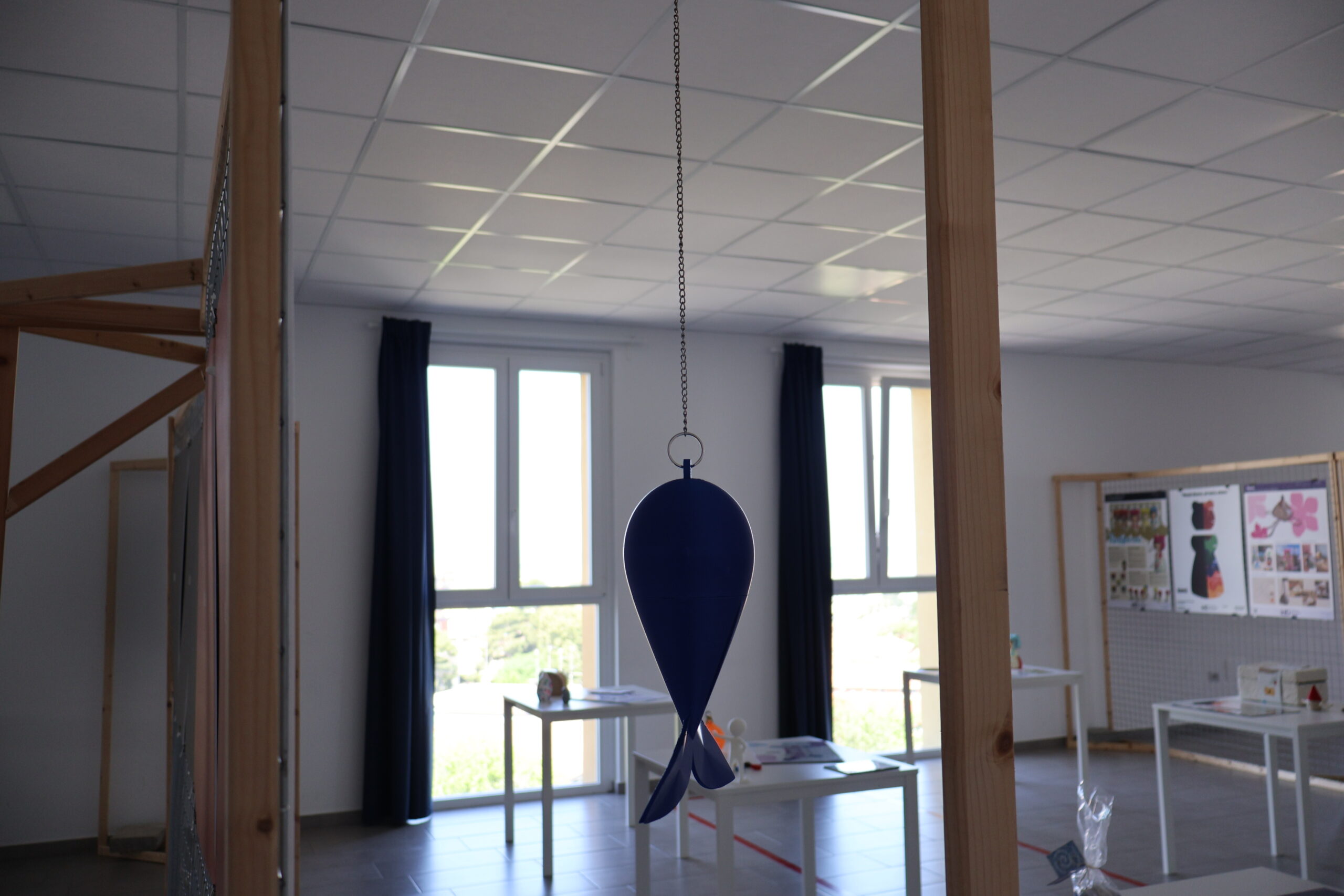 Exhibit Design
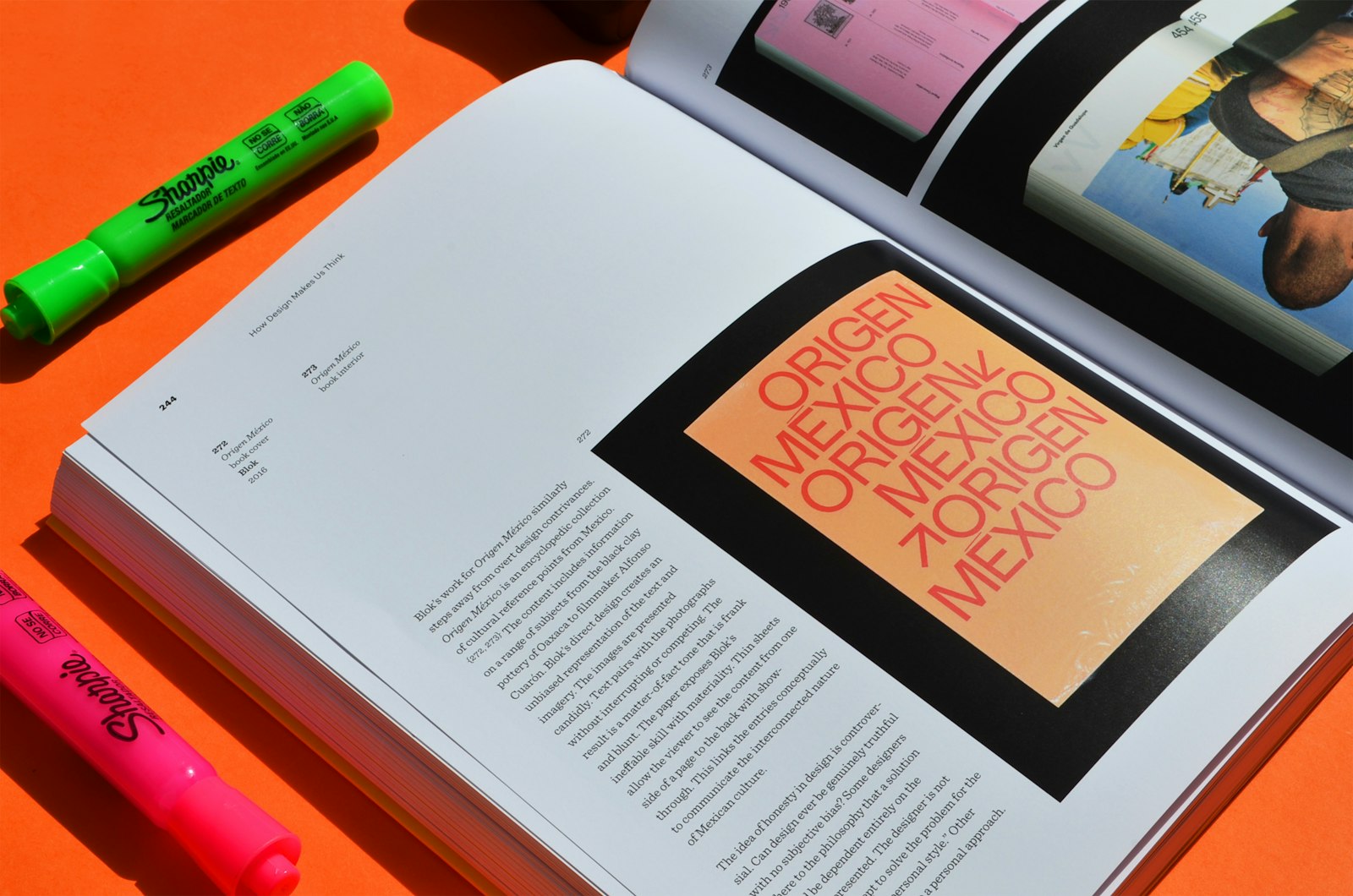 Visual Communication
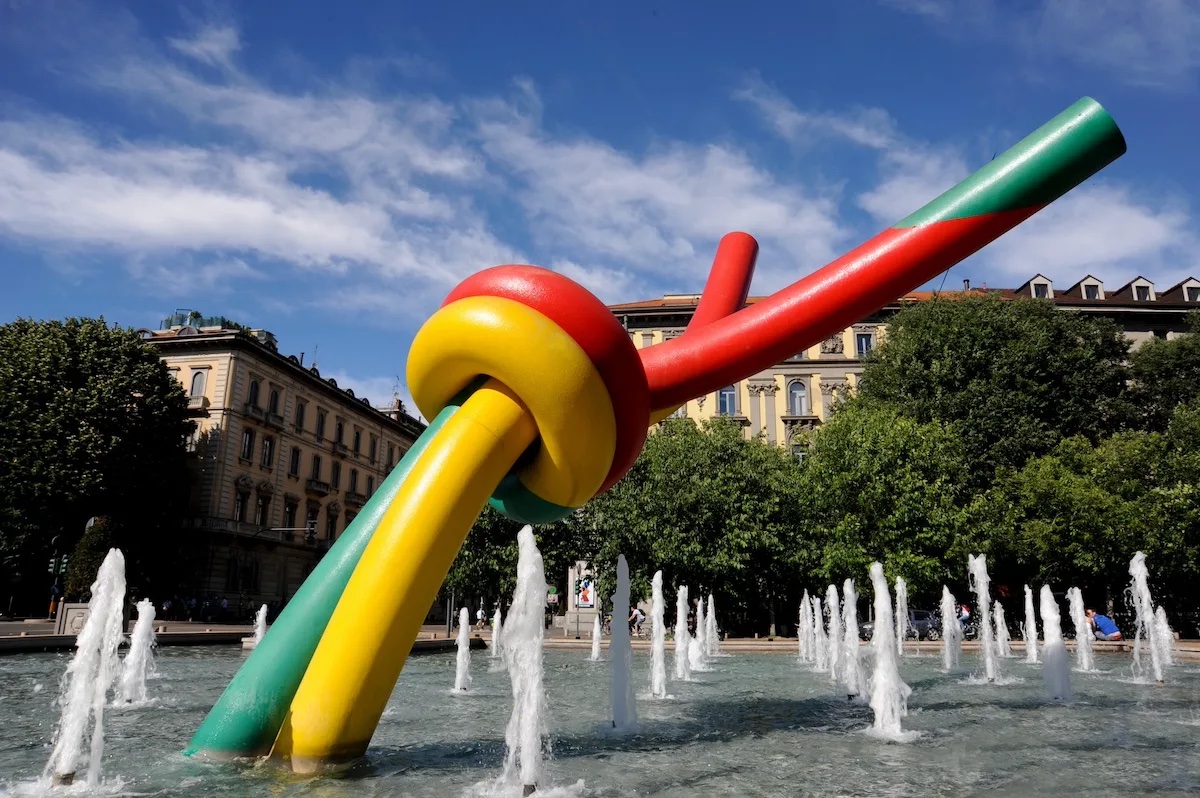 Urban Design
 Creative & New Technologies
After the Degree: Careers and Professions
With a Bachelor’s Degree in Design you can pursue careers such as:
Product Designer
Give shape to ideas by designing innovative products that combine functionality, aesthetics and attention to people’s needs.
Interior Designer
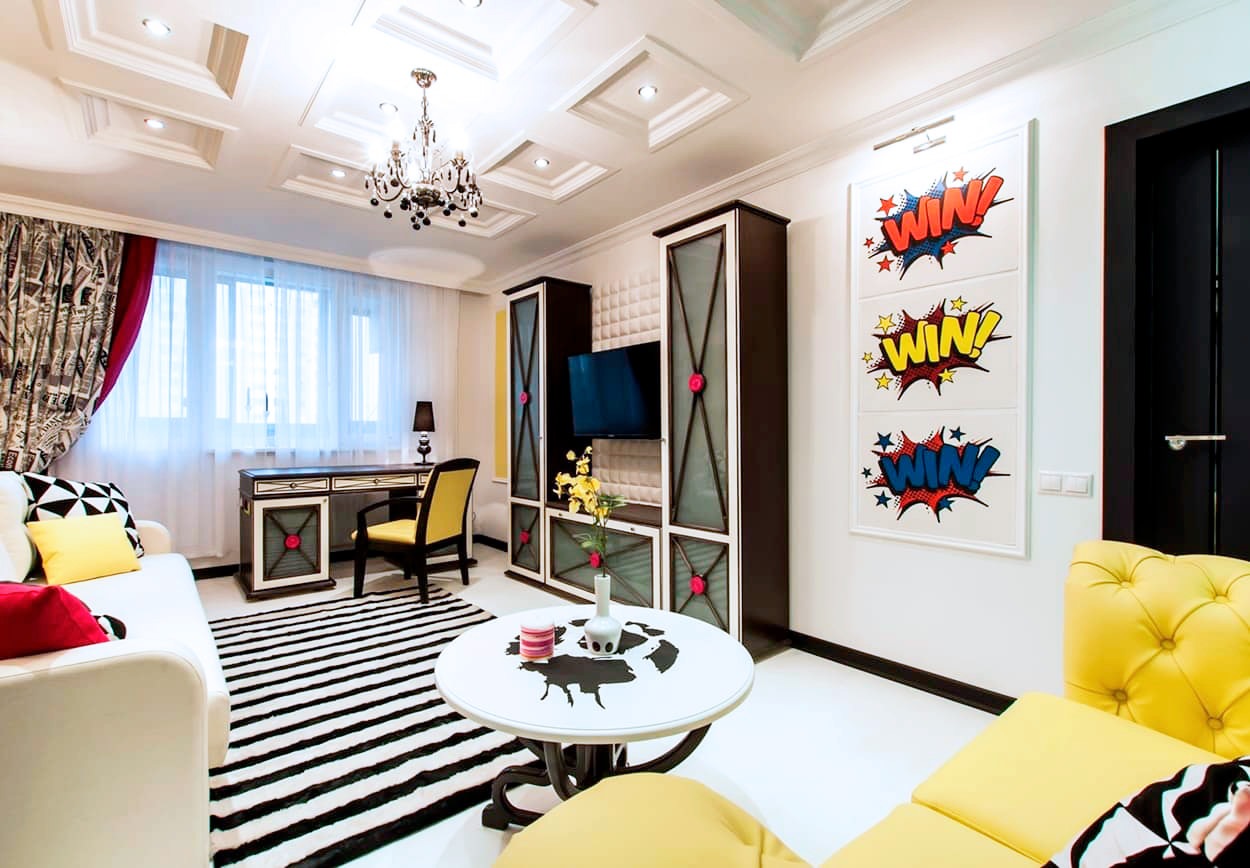
Turn spaces into experiences, designing residential, retail and exhibition environments that combine comfort, identity and functionality.
Furniture Designer
Design furniture that tells new stories about living, experimenting with forms, materials and technologies with an eye on sustainability.
Service Designer
Imagine and develop innovative services, putting people at the centre to create simple, accessible and intuitive experiences.
Exhibit Designer
Design exhibition spaces and installations that surprise and engage, turning content and ideas into experiences to explore.
Sustainable Designer
Create responsible solutions for the future, integrating sustainability, conscious materials and the circular economy into the design process.
Digital Fabrication Specialist
Turn concepts into prototypes and real objects through 3D printing, laser cutting and digital fabrication technologies.
Interaction Designer
Design intuitive and engaging interactions, creating new ways for people to relate to products and digital technologies.
UX/UI Designer
Design intuitive, accessible and well-crafted digital interfaces, making websites and apps simpler, more enjoyable and more effective to use.
Lighting Designer
Bring light to spaces and architecture, creating atmospheres and lighting effects that enhance environments, materials and experiences.
Brand Designer
Build the visual identity of brands and products, combining creativity and strategy through logos, packaging and communication systems.
Retail Designer
Design retail spaces that attract and engage, creating shopping experiences that express the brand’s identity.
Set & Stage Designer
Shape worlds and atmospheres for theatre, film and events, designing sets that turn ideas into visual experiences.
Graphic Designer
Design and develop visual identities, advertising materials, editorial content and graphics for digital communication. Take care of visual composition and the choice of colours, typefaces and images, turning ideas and messages into consistent and effective graphic solutions. Use design software and AI tools to support and streamline the creative process.
Visual Designer
Communicate ideas and messages through images, colour, typography and visual composition, creating content for digital and traditional media.
Urban Designer
Imagine more liveable cities and public spaces, designing places that encourage social life, accessibility and quality of life.
Packaging Designer
Design packaging that protects, communicates and wins people over, combining visual identity, functionality, innovation and care for the environment.
3D Modeling Designer
Turn ideas into detailed three-dimensional models, developing objects, environments and digital concepts for visualisation and prototyping.
Course Overview
Study Plan
Year 1 60 CFA
Computer Science Fundamentals
ABTEC39
CFA 4
The main goal of the course is to provide basic theoretical and technical skills that allow students to make informed use of the computer technologies most in demand in the workplace. Computer Science Fundamentals explores the key themes of ICT from an artistic and cultural perspective. The course starts with computer hardware and software, moves on to hands-on practice with operating systems and a range of commercial and open-source applications, and ends with the latest digital communication technologies
Design 1
ABPR17
CFA 8
The course examines the interaction between interior space and everyday objects, between environments and colour, natural and artificial light, and users, in order to create simple and complex configurations of structural, morphological, aesthetic and functional elements within an interior design project. It covers the concept of design, ergonomics, spatial analysis, the study of form, colour, textures, materials, geometry and technical drawing, and survey and graphic documentation methods, with particular attention to sustainability and design for all
Fundamentals of Computer-Aided Drawing
ABPR16
CFA 8
The course offers an in-depth study of AutoCAD software functions, so that students can make full use of the program and learn the commands needed to produce two-dimensional (2D) projects, along with the conceptual basics for working with 3D functions
Technical and Design Drawing
ABPR16
CFA 4
The course aims to develop, both theoretically and practically, a learning path in drawing techniques (metric scales and graphic elements, drawing tools and graphic representation constructions, etc.) that are fundamental to supporting the design process and structuring development during the execution phase
Interior Architecture
ABPR15
CFA 6
The program will cover the design of furnishings for a residential unit or a workspace (studio/office), to be agreed with the students. The work will be structured as a design workshop, where students will compare their ideas and solutions
History of Design 1
ABST48
CFA 6
The course gives students specific knowledge of the key stages in the history of industrial design and visual communication (theories, movements, schools, leading figures, themes and products) and of the distinctive categories in the development of design (typology, standards, series, innovation, etc.), within a view that takes into account economic, technological and socio-cultural dynamics since the birth of industrial society
Design Methodology
ABPR15
CFA 4
To this end, students will study the tools of artistic and technical representation, the principles and elements of composition, and the structural and technological-constructive aspects needed to generate spaces and objects
Materials Typology
ABPR30
CFA 6
The materials covered range from the most traditional, such as metals, ceramics and plastics, to the most innovative, with particular attention to eco-sustainable materials. During workshop hours, meetings and visits are organized with leading companies in the various sectors involved, in order to gain a thorough and precise understanding of how material properties are applied across different industrial sectors
New Materials Technology
ABPR30
CFA 2
The course aims to give students a body of knowledge that supports the design and production of spaces and objects, artefacts and industrial products for the contemporary age; to provide knowledge of the state of the art of materials in relation to the main scenarios of technological development in the sector; to develop independent skills in researching, experimenting with and applying a wide range of materials in design; and to manage materials and surfaces from concept development to the executive phase
Ecodesign
ABPR17
CFA 8
The Ecodesign course analyses the environmental criteria to be adopted during the design phase and reflects on the conceptual and operational tools needed to tackle the highly complex emergencies linked not only to environmental issues but also to social and economic ones
History of Contemporary Art
ABST47
CFA 4
The course offers an in-depth analysis of the phenomena of contemporary art history, with particular reference to Western culture from the first half of the nineteenth century to the present day
Year 2 56 CFA
Graphic Design
ABPR19
CFA 8
The course aims to provide a foundational knowledge of the world of graphics, offering historical and practical information on the role and work of the visual designer, starting from the fields in which they operate and then addressing the design process and how this profession has changed over time. Through predominantly hands-on activities, students will gain knowledge of graphic composition, analyzing case histories to develop an aesthetic sensibility and an awareness of the communicative meaning of every graphic element
Design Culture
ABPR17
CFA 4
The course aims to develop an understanding of Design as a system capable of creating value. Through a historical overview of Made in Italy, it explores the relationship between culture and business, as well as the connection between design knowledge and know-how. Finally, a design theme will be assigned and the class will collectively analyze and define the methodological process for developing a concept
English
ABLIN71
CFA 4
The main objective is to support students in learning English, bringing them to at least a B1 level according to the CEF (Common European Framework) rating scale. In particular, knowledge of vocabulary specific to the world of Design and communication enables students to find and consult technical and/or descriptive product documentation, write a CV in English, take part in a job interview, and present a project
Design 2
ABPR17
CFA 8
The course aims to deepen the operational and practical aspects that characterize design activity. It is intended to give students a multidisciplinary approach to design aimed at improving people’s quality of life, along with methodological skills for consistently managing the various project phases, without neglecting expressive and functional values. With this in mind, interior design projects (public and commercial spaces) will be developed, taking into account the physical, typological and functional characteristics of the spaces considered and the different needs of the users in relation to them
3D Rendering
ABTEC41
CFA 4
During the course, students will acquire basic knowledge of modern 3D rendering software and rendering engines, and will be able to set up a scene and develop the setting to achieve a realistic final product. Topics covered in depth include scene setup, the ability to render under all lighting conditions using rendering and camera settings, natural and interior design settings, textures and alpha channels, displacement and bump mapping, the question of reflection/glossiness, and the ability to replicate any material effect, from velvet to silk to all materials used in construction
3D Modeling Techniques / Computer 3D
ABTEC41
CFA 6
The course aims to introduce three-dimensional modeling techniques using the most modern modeling software. Starting from an idea, a sketch or a two-dimensional design, the course will provide students with all the key information needed to develop and design in three dimensions. From solid construction to NURBS, from component-based (serial) design and parametric design to the creation of complex objects, students will acquire all the knowledge of 3D modeling needed to independently complete a project, create exploded axonometric views, and extract, through section planes, useful information for possible reproduction and manufacturing at the desired scale
History of Design 2
ABST48
CFA 2
The course explores the main trends in design and creativity and their impact on people’s habits and on businesses: from product-focused design to systemic design, which replaces traditional linear supply chains with circular models; from owning products to fulfilling desires
Product Design
ABPR17
CFA 8
The course aims to provide students with the basic knowledge and skills needed to design a product intended for the market. The lessons explore a methodological approach to design, with the aim of giving students the tools useful for all phases of ideation, development and communication of a new project. Starting from a project brief, the designer breaks down the identified need into sub-problems in order to arrive, through creativity, at an innovative solution. The design process continues through experimentation with materials and production technologies, to create study prototypes of the product and then the final technical drawings (CAD). Finally, the project is presented through 3D modeling and rendering techniques
Theory of Perception and Psychology of Form
ABST58
CFA 4
The course provides the conceptual tools needed to grasp the connections between the study of psycho-perceptual and semiotic processes and one’s own design and artistic interests, related to Visual Communication and Design. The lessons cover both theoretical approaches to perception and the fundamentals of Design Semiotics, and focus on case studies of semiotic analysis of design objects, with the aim of giving students the knowledge and skills needed to make conscious use of signs, in order to understand and communicate design products and their design processes
Elements of Morphology and Dynamics of Form
ABAV01
CFA 4
The body as a symbol, metaphor, and means of artistic communication.
Learning to trace interferences, relationships and interconnections between the arts, understood both as visual arts — painting, sculpture, performance, cinema, theater — and as arts of the written word, namely literature (specifically poetry and the novel), in order to identify continuities in poetic conception and semantic structure. Observing and understanding how the representation of the body in art changes across centuries and styles, from antiquity to the present day, through the imaginary, mythological projection of the body. The body as an object of narrative and symbolic suggestion
Style, History of Art and Costume
ABST47
CFA 4
Style is like a rainbow: it is a perceptual phenomenon dependent on the coincidence of certain physical conditions.
The course will reflect on the concept of style from a historical, sociological and philosophical perspective. It will examine “maximalist” definitions (Panofsky) and “normative” definitions (Focillon), before asking whether the notion of style has today dissolved or, on the contrary, persists in another form within artistic, aesthetic and cultural phenomena such as fashion (Simmel, Fink, Svendsen) and music (Rosen, Goehr, Noë, Harper)
Year 3 60 CFA
Exhibition Space Design
ABVPA64
CFA 6
Exhibition design deals with the space in which an event will take place, giving it a form and image that enhance its content, thus becoming a fundamental part of it. Through the exhibition designer’s work, visitors are brought into a place that is real yet at the same time virtual, where they witness, through their own eyes, the sequential unfolding of a series of events (a story) that then becomes an exhibition of the subjects on display.
The Exhibition Space Design course will train students to develop a more attentive and aware perspective on how to display and narrate an exhibition, through greater mastery of design technique and knowledge of lighting materials and the specific characteristics of exhibition spaces
History of Contemporary Architecture
ABST50
CFA 4
The course aims to provide historical and theoretical knowledge of the 20th-century avant-gardes, from individual architects and designers to the most important movements, giving students points for reflection that will make them independently able to recognize a given architectural style and to critically analyze architectural and artistic formal languages.
The lessons will cover topics such as the Vienna Secession and Gaudí, moving on to the Chicago School and the masters of the Modern Movement. The Dutch School and Northern European architecture with Aalto will be explored in depth; moving on to Italy, the course will address the architecture of the Fascist era, Carlo Scarpa, and the whole of Italian architecture from the postwar period to the present day
Latest Trends in Visual Arts
ABST51
CFA 4
The course aims to analyze international artistic research in recent decades, from 1970 to 2020, starting with Process Art, Antiform, and the languages of performance that involved corporeality and the role of identity, moving on to current research, up to the expressions of young and emerging artists on the Italian and international scene
Design 3
ABPR17
CFA 8
The course aims to make students capable of independently managing a project, using all the skills acquired in previous years.
The course consists of theoretical lessons and workshop-based design work founded on constant interaction between students and instructor, structured into a research and analysis phase, a concept development phase, and a final phase of developing the finished project. All necessary tools will be used for this purpose: graphic and photographic surveys, environmental analysis, project data collection, data analysis, interviews, research on materials and technologies, investigation of user needs, and interpretation and synthesis of the information gathered
Exhibition Design
ABVPA64
CFA 8
During the first part of the course, students will study in depth a historical exhibition case study, agreed with the instructor, and present it both visually (through drawings, diagrams, projections) and orally.
The second part of the course will focus on developing a site-specific exhibition design project, in which the necessary analysis of objects and context will be followed by the development of a design idea capable of respecting and enhancing the characteristics of both, while observing the time and budget limits set by the instructor
Digital Information and Communication Law
ABLE70
CFA 6
The protection of Designers’ rights prepares students to distinguish creative expression from the idea, functional models from aesthetic ones, and the ways in which ownership or copyright can be established. The course also analyzes a series of case histories on Design projects involved in legal disputes, in order to understand the boundaries within which Designers must operate in compliance with the law
Elective Activities
CFA 10
Product Design 2 – ABPR17 | CFA: 5
Web Design – ABPR19 | CFA: 5
CFA 4
CFA 10